 Chris Ashton
Picture this: you’re driving through the desert landscape around Yinchuan, in north-west China, and at almost every intersection are road signs pointing out wineries. Ten to the left, ten to the right. Drive a little further and there’s another cluster doing the same thing.
Confused? You’re not alone. This is a side of China few Westerners ever encounter – no Forbidden City or Terracotta Warriors in sight. But then, China is an astonishingly diverse country, as Simon and I discovered back in 2015 on a visit to Hainan Island, the so-called ‘Hawaii of China’.
This ‘emerging wine mecca’ is the China Michael Minsky wants to introduce the world to.
Michael is co-founder of Off the Eaten Track, a boutique tour operator about to embark on a 14-day wine-focused journey through China – one that’s less about ticking off tastings and more about using wine as a way to flip everything you think you know about the country.
We caught up with Michael to find out what’s happening in Chinese wine today, why he thinks it’s so underrated, and why now is the perfect time to experience it.
How a side hustle became a full-time gig
Michael has spent decades living and travelling around Asia, including eight years on and off in China, mostly Shanghai. He met his now-business partner Beth Brash back in 2007 while living in Japan, and the pair have been travelling (and eating) together ever since. Beth runs Wellington on a Plate, one of the biggest food festivals in the Southern Hemisphere, so between the two of them, food has always been the whole point of the trip.
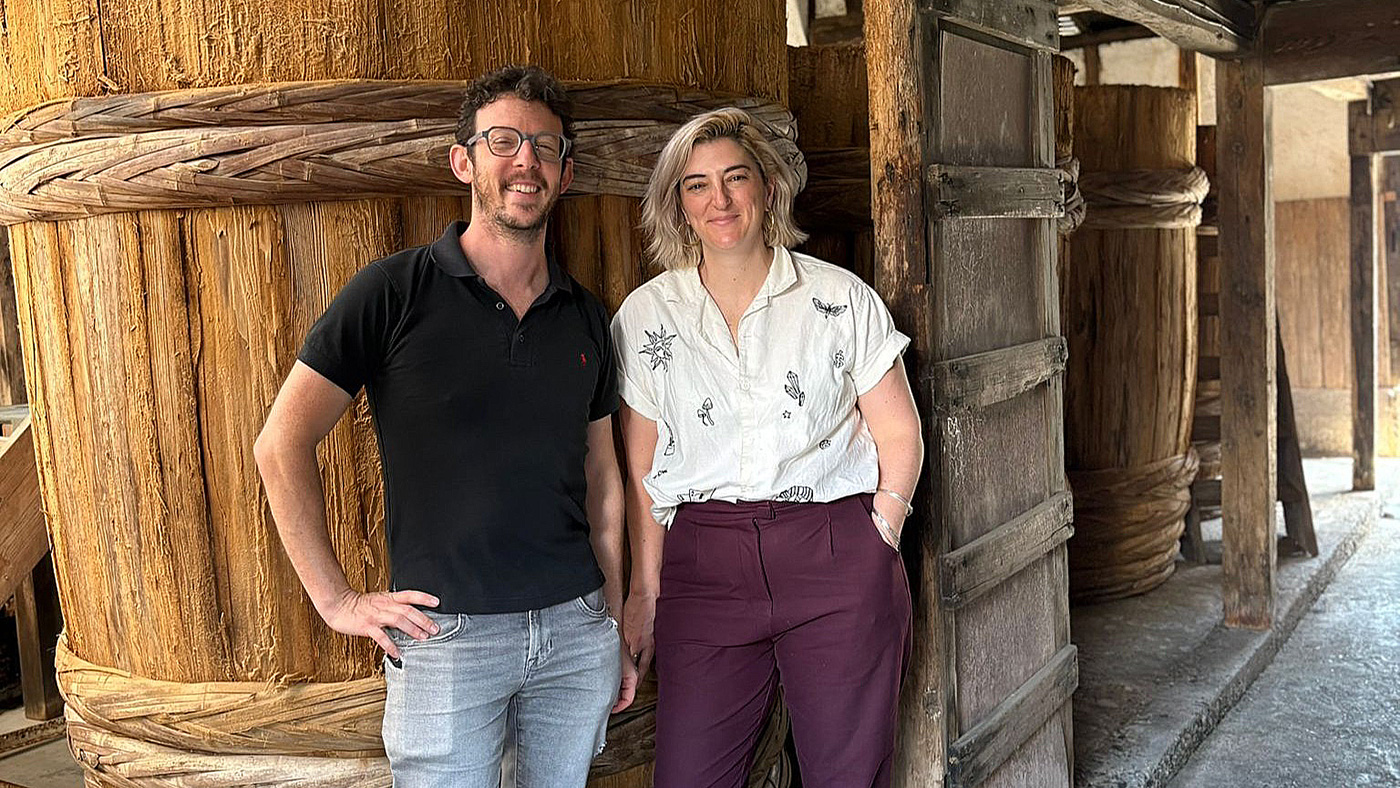
“We are the type of people who will do some level of planning when we’re travelling ourselves, and then a lot gets left up to serendipity,” Michael says. “What looks good? Who do we talk to? What recommendations do we get from the locals?”
That’s basically the whole philosophy behind Off the Eaten Track. Friends kept telling them they should be running trips like this, and eventually someone actually asked them to. What started as a side hustle only went full-time a few months ago when Michael quit his day job to focus on it properly.
So why Chinese wine?
Michael freely admits he’s not a wine expert, which is why he’ll be joined by someone who is: Hamish Williams from Periphery Wine, one of the foremost experts in Australia on Chinese wine.
The idea for the trip itself actually came from friends working in the F&B scene, who were starting to work more with Chinese wine, and it piqued his interest in learning more.
“These are people I trust – people that I know, love food, [and] work in the industry,” Michael says. Based on their recommendations, he figured it warranted a closer look.
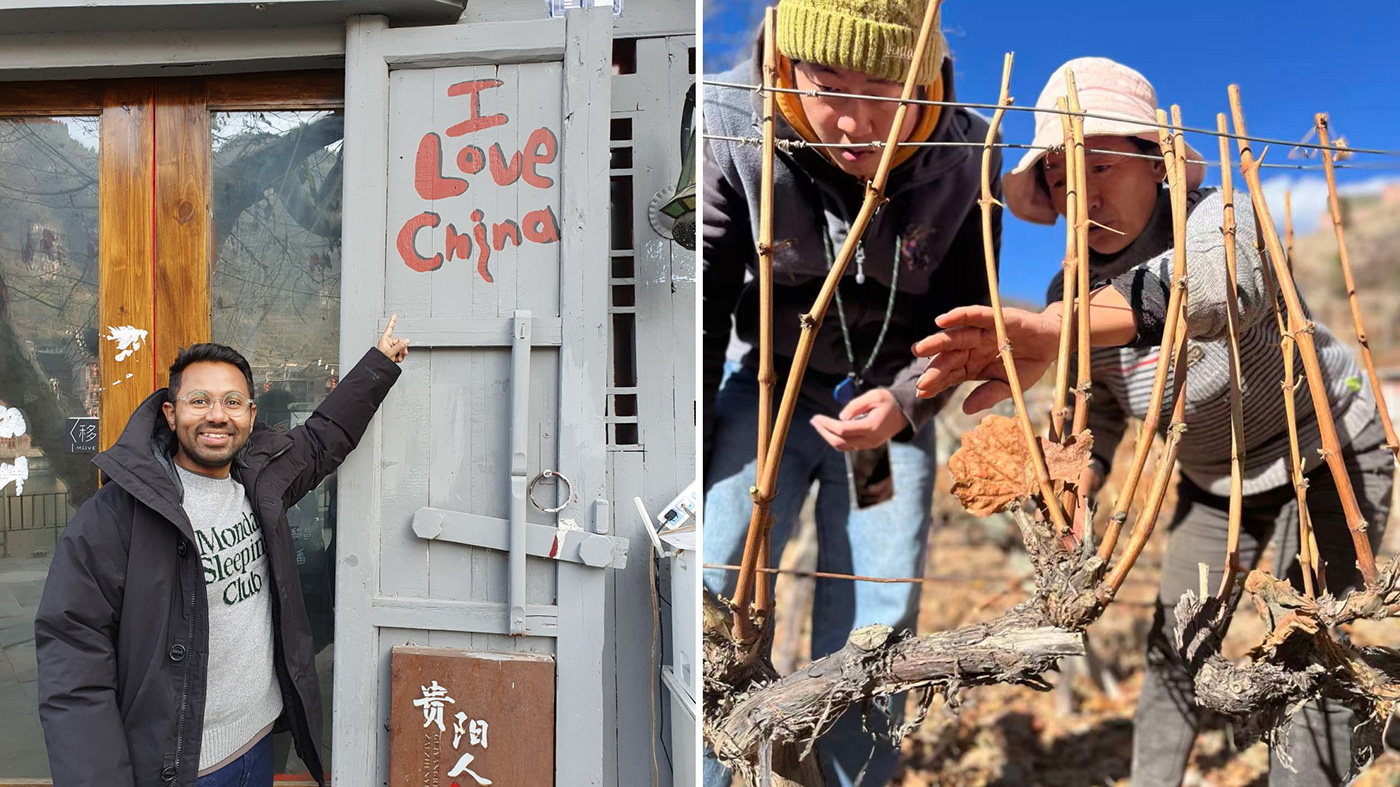
Of course, there’s a lot of scepticism to get past first. Chinese wine isn’t new – big producers like Changyu and Great Wall have been around for decades – but they also built a reputation for cheap, unremarkable wine, and that’s been hard to shake.
“For most people who’ve had Chinese wine, the chances are they’ve had one of those mass-produced wines that are not great,” Michael says. On top of that, there’s the standard suspicion that any new wine region cops, the same doubt Australia had to shake off a few decades back.
Interestingly, Michael believes Australians are more open-minded about Chinese wine than most.
“Australians are probably more open to Chinese wine than many other countries because they’ve kind of gone through that journey themselves,” he says, and points to Australia’s large Chinese communities as another reason Chinese culture already feels a lot less foreign here than it might elsewhere.
Past, present and future, all in one trip
Rather than just hopping between wineries, the tour is structured like a story – Michael calls it the past, present and future of Chinese wine.
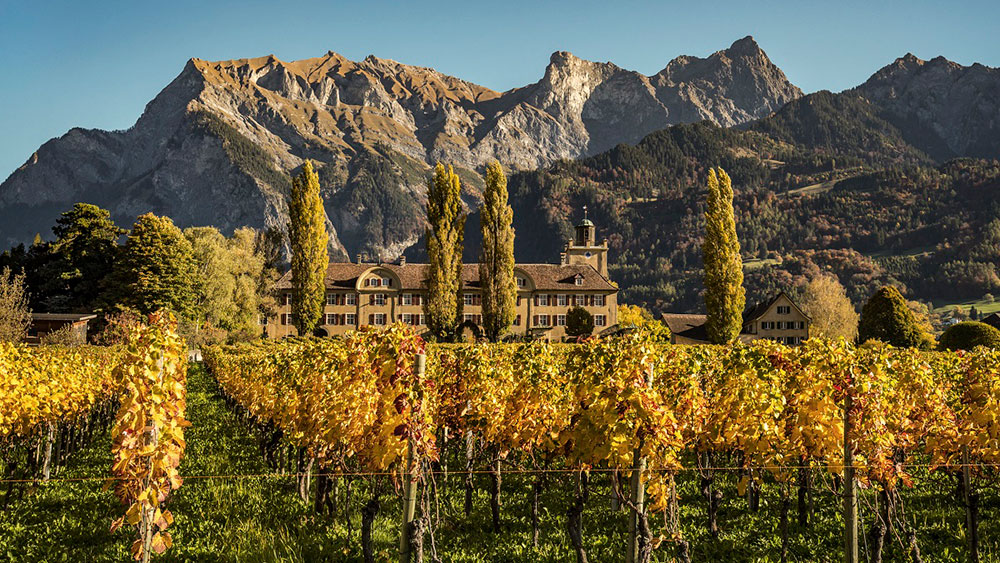
The “past” begins in Hebei, near the Great Wall and the mountains beyond Beijing. According to Periphery Wine’s website, the region is now home to some 50 wineries, with varietals such as Cabernet Sauvignon, Cabernet Gernischt and Marselan performing well. It also has widespread plantings of Longyan – a grape with at least 800 years of history in China.
From there, the tour heads into the “present” chapter: Ningxia, out on the edge of the Gobi Desert, where two decades of serious government and private investment have turned desert into vineyard after vineyard.
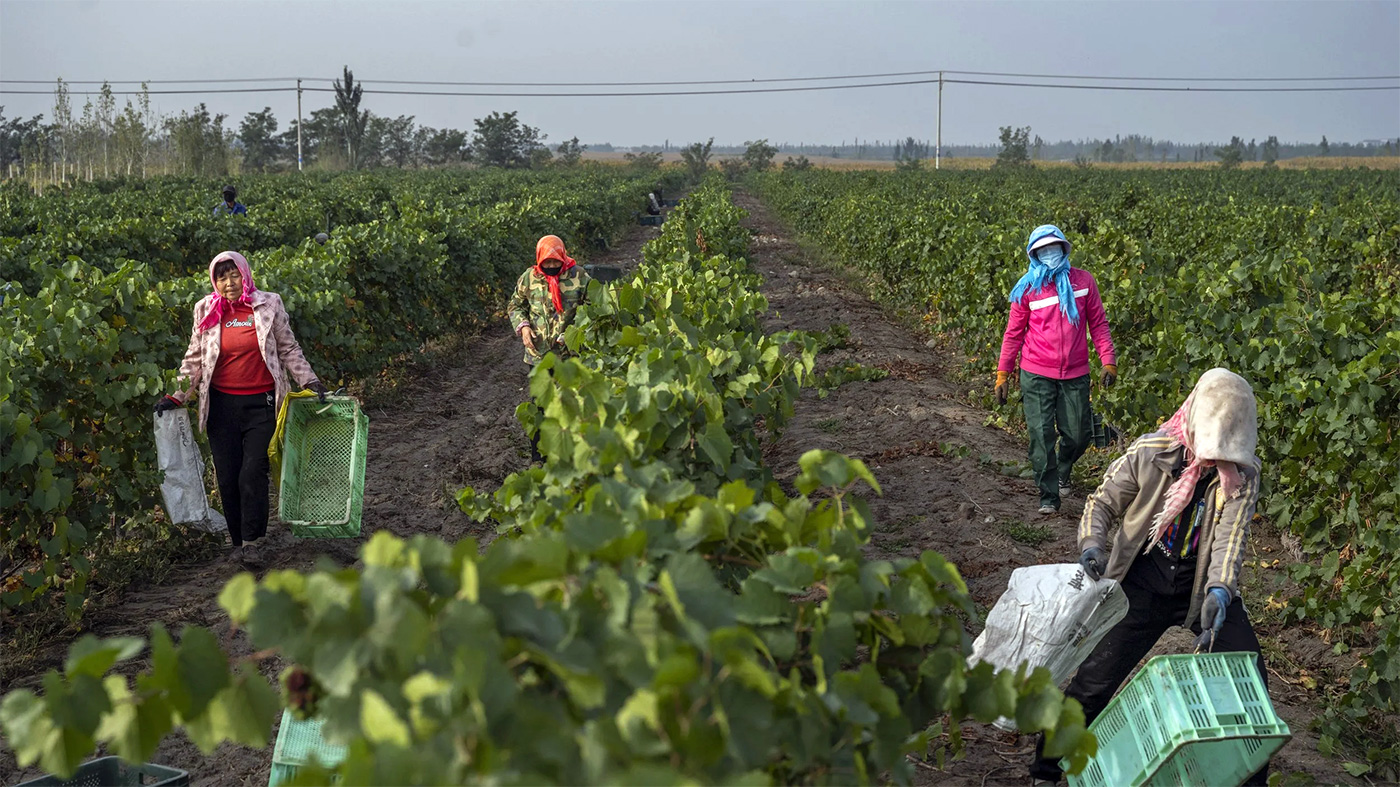
The scale of what’s been achieved here is striking – Ningxia now counts around 200 wineries across 40,000 hectares, more than three times the size of Australia’s Barossa, producing Cabernet Sauvignon and Chardonnay among its standout drops.
“The state is able to actually work with the terrain and with the environment there in order to create the required conditions,” Michael explains. Basically, this shouldn’t be wine country at all – but they made it happen anyway.
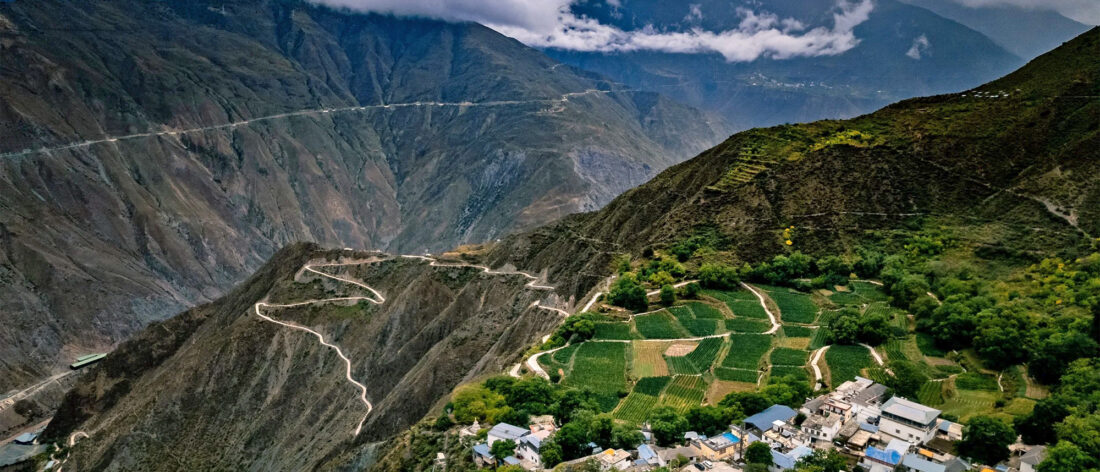
The last stop is Yunnan, up in the foothills of the Tibetan Plateau, where small independent winemakers work alongside local Tibetan communities to grow grapes at 2,500 to 2,800 metres above sea level. Cabernet Sauvignon and Chardonnay are well established here too.
Three different Chinas
While wine is a key drawcard for the overall experience, it’s not the only reason to visit these regions.
“We are actually seeing three completely different sides of China, two of which most people probably don’t even know exist,” he says. You go from mountains and the Great Wall in Hebei, to Gobi Desert in Ningxia, to Tibetan Plateau high country in Yunnan – none of which look anything like the typical Beijing-Shanghai-Xi’an loop most first-timers do.
The food changes just as much. Hebei’s your classic, familiar Chinese food. Ningxia’s Hui Muslim population means the food leans Middle Eastern and Central Asian. And Yunnan, home to the biggest concentration of China’s ethnic minorities, brings sour, spicy, almost Southeast Asian flavours, before you climb up into Tibetan territory and it’s all hearty mountain food – steamed breads, stewed yak, the works.
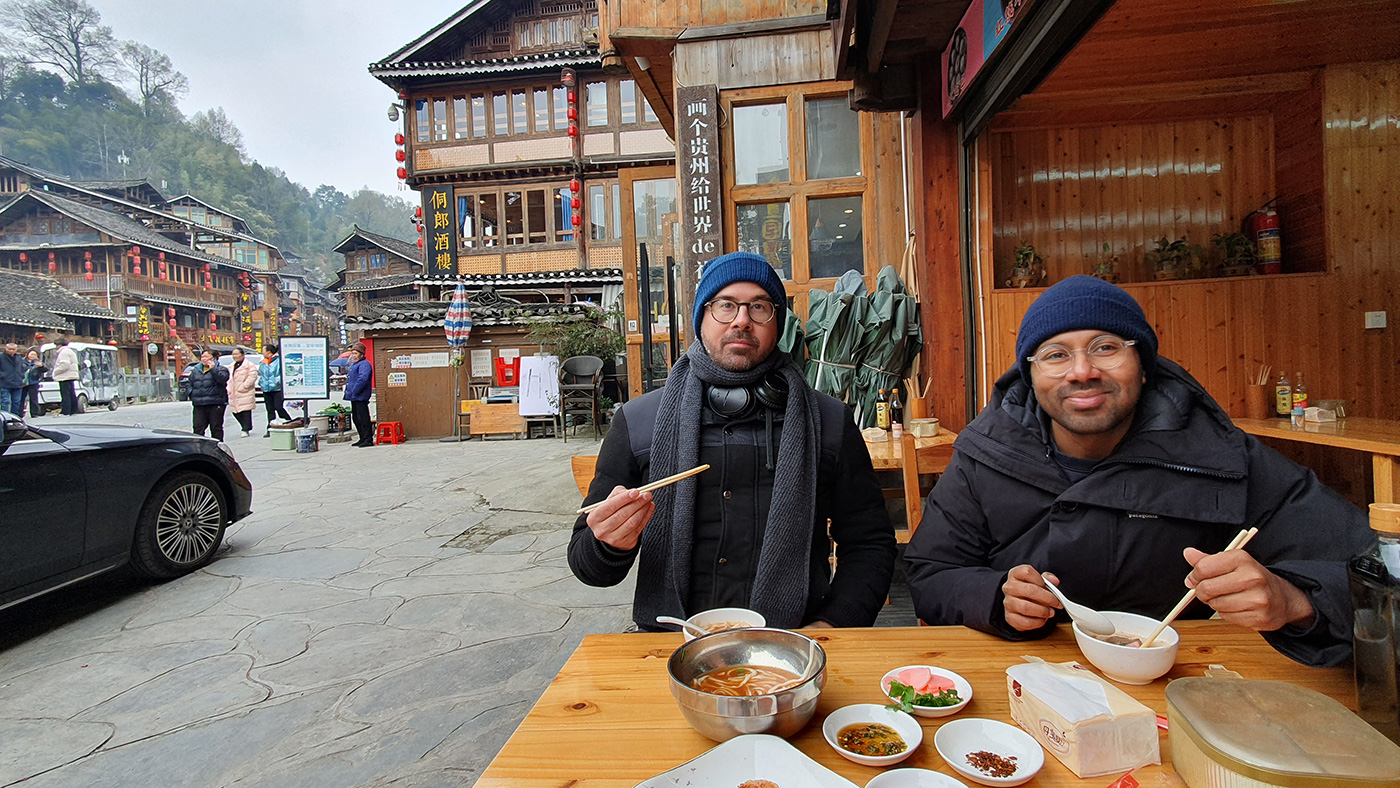
It’s exactly the kind of stuff most travellers never get close to, mainly because China’s language barrier makes it genuinely hard to go looking on your own.
“There’s an entire separate ecosystem and an entire separate language that makes it harder to find things without the access and language skills,” says Michael, who, conveniently, is proficient in Mandarin. It’s another good reason to join him on the road.
As Michael says, Chinese wine’s still figuring itself out. But if you want a genuine excuse to see a side of China most people don’t even know is there, before everyone else does, this is about as good as it gets.
For more on Off the Eaten Track, visit offtheeatentrack.co