 Chris Ashton
It’s one of Australia’s most popular destinations, yet there’s a hidden side to Byron Bay many don’t know exists. Just 2.5 kilometres offshore lies Julian Rocks, a spectacular dive site where the temperate and tropical waters meet. We’d go so far to call it Byron’s greatest treasure.
Swimming amidst a kaleidoscope of colourful fish in the shallow waters of The Nursery, feeling dwarfed by Grey Nurse sharks at the Cod Hole, witnessing Manta rays floating gracefully between the huge bommies of The Needles… every dive is a new adventure.
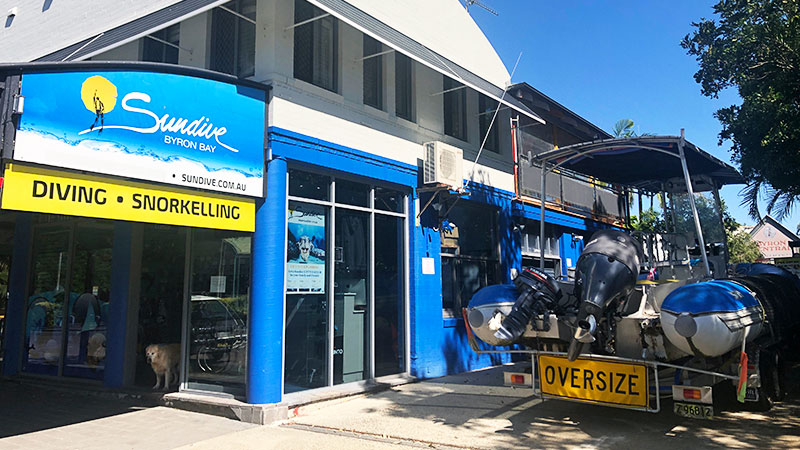
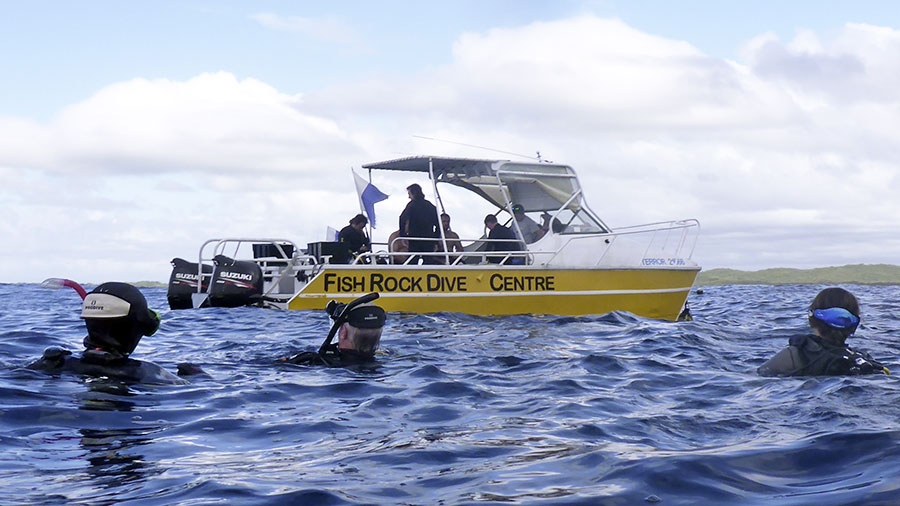
How do you get there? With one of the local dive operators Sundive or Byron Bay Dive Centre. It’s just a short 10-minute boat ride out from The Pass boat ramp.
Founded in 1988, Sundive is the only PADI 5 Star Instructor Development Centre in town – and our top pick for snorkellers and dive beginners right through to advanced experts.
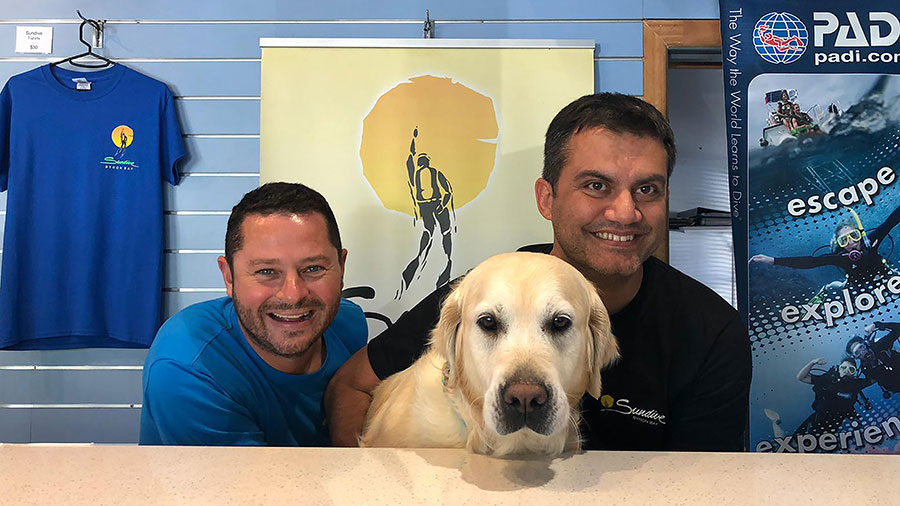
Marine biologist David Robinson (former Assistant Curator of the Burj Al Arab Aquarium in Dubai) and acclaimed underwater photographer Simone Caprodossi have been at the helm of Sundive since December 2018, bringing a wealth of knowledge and expertise with them.
With the current health crisis affecting businesses across the country, including Sundive, we thought now was a perfect time to ask David what inspired the duo to move to Byron Bay, their favourite dive sites out at Julian Rocks, and what people can do to help support businesses such as theirs during this difficult time.
What attracted you to the Byron Shire, David?
I visited Byron for the first time in 2007 after my friends Andy and Stu, moved here; being a keen diver, one of the first things I did was book a dive out to Julian Rocks. I was amazed by the diversity of marine life at Julian Rocks; it was something I wasn’t expecting. I returned to Byron again in 2017 with Simone in tow and, our good friend Simon arranged to take us diving. Yet again, we had a couple of fantastic dives, and we were both thoroughly impressed with not only the marine life but also the beauty of the location.
What are your three must-sees out at Julian Rocks and why?
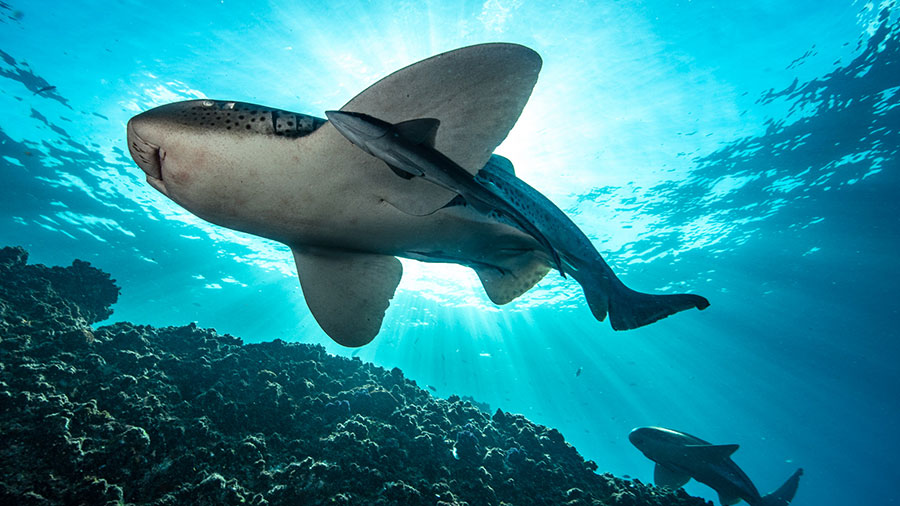
This is a tough question, only three? Julian Rocks is a special place and, in my opinion, is of the best sites in Australia, if not the world to dive! For me, one of the highlights of the year is the leopard shark aggregation that takes place in the summer months. Julian Rocks are probably the best place in the world to experience free swimming leopard sharks in such high numbers. It is an amazing spectacle to see, and one of the good things about it is that if you don’t dive, you can see the leopard sharks just as well by snorkelling!
Also in the summer months, we get manta rays passing through the area who make pit stops for cleaning at Julian Rocks. To encounter these, you need to be pretty lucky but, this season was a good season for manta encounters. Let’s hope next season exceeds this one!
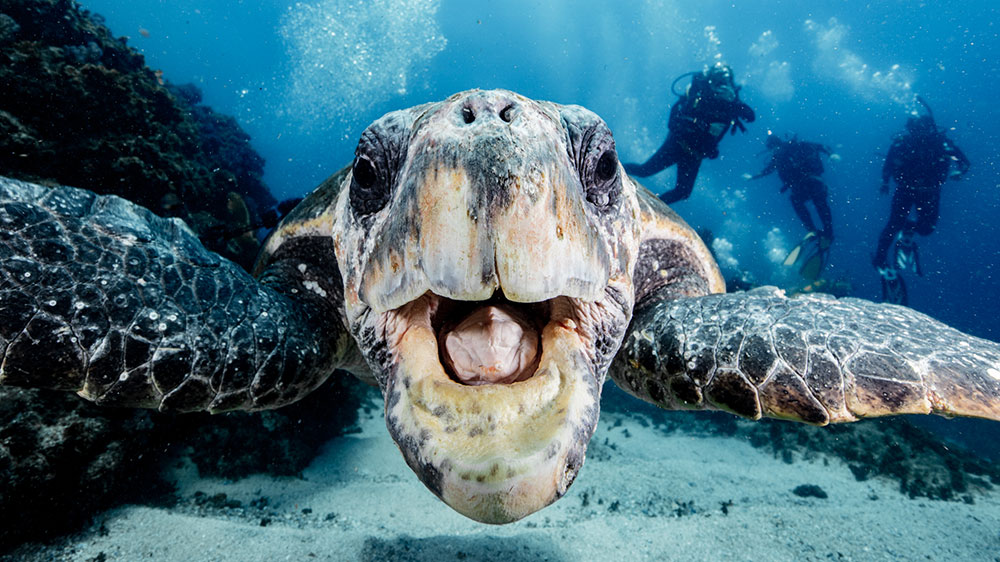
Finally, I would say the turtles of Julian Rocks have to be in my top three. We get a mix of cold and warm water currents at Julian Rocks which means we get a mix of temperate and tropical species, and this includes sea turtles. On a good day, it is common to see three species of sea turtle, hawksbill, green and loggerhead, and they are just as easy to observe on snorkel, as they are diving. The loggerheads here are like nowhere I have dived before; huge males and females that are decades old and with no fear of humans whatsoever. These sea turtles frequently make for exciting encounters with divers; they are amazing!
How can people still support your business during the shutdown?
At the moment we are currently opening between 10, and 11 am every day and offering free cylinder refills for our customers who are diving at home or, shore diving along the coast. It would be great if people could consider buying a gift voucher for loved ones for the future. We aim to be back on the water as soon as possible and, as gift vouchers have a 12-month validity period, any purchased gift voucher purchased within the shutdown will automatically start when restrictions have been lifted, and we can fully operate again.
This is the first in our new ‘Support Local’ series profiling Byron Shire businesses and how the community can help them during this period of uncertainty.


 Simon Ceglinski